.jpg)
The Scientific Foundation of CellVive NMN™️ Advance
Ageing is increasingly understood as a progressive disruption of cellular homeostasis. The Hallmarks of Ageing framework — first described in 2013 and expanded in 2023 — provides a unifying model of the biological processes that drive age-associated decline.
These include:
- Genomic instability
- Epigenetic alterations
- Loss of proteostasis
- Deregulated nutrient sensing
- Mitochondrial dysfunction
- Cellular senescence
- Stem cell exhaustion
- Chronic inflammation
- Impaired autophagy
Although mechanistically distinct, these processes are metabolically interconnected.
At the centre of this network lies Nicotinamide Adenine Dinucleotide (NAD⁺) — a coenzyme essential to cellular energy production, DNA repair, and metabolic regulation.
CellVive NMN™️ Advance is formulated around this biological foundation.

NAD⁺: A Central Metabolic Regulator
NAD⁺ plays a fundamental role in cellular physiology:
Electron Carrier
NAD⁺ accepts electrons during glycolysis and the TCA cycle, enabling ATP generation through oxidative phosphorylation within mitochondria.
DNA Repair Substrate
NAD⁺ is required by poly (ADP-ribose) polymerase (PARP) enzymes involved in the repair of DNA strand breaks.
Sirtuin Cofactor
NAD⁺ regulates sirtuin deacetylases (SIRT1–7), which influence mitochondrial biogenesis, stress adaptation, and metabolic signalling.
Redox Mediator
The NAD⁺/NADH ratio governs intracellular redox balance and metabolic flexibility.
Because of this centrality, NAD⁺ availability intersects multiple hallmark pathways simultaneously.

Age-Associated NAD⁺ Decline
Accumulating evidence indicates that intracellular NAD⁺ concentrations decline with age.
Proposed mechanisms include:
- Increased NAD⁺ consumption via PARPs in response to DNA damage
- Upregulation of CD38, an NAD⁺-degrading enzyme
- Reduced efficiency of salvage pathway biosynthesis
Reduced NAD⁺ availability has been associated in the literature with diminished mitochondrial efficiency and altered metabolic signalling.
Restoration of NAD⁺ levels has therefore become a central focus of contemporary geroscience.

How CellVive NMN™️ Works
NMN is derived from vitamin B3 metabolism and functions as a proximal precursor to NAD⁺
1. Absorption
Orally administered NMN is absorbed in the small intestine. Preclinical research has identified transport mechanisms, including the Slc12a8 transporter, that may facilitate tissue uptake.
2. Intracellular Conversion
Within cells, NMN is enzymatically converted to NAD⁺ via NMNAT enzymes:
Nicotinamide → NMN → NAD⁺
Because NMN sits immediately upstream of NAD⁺ in the salvage pathway, it bypasses earlier rate-limiting steps required by more distal precursors.
3. Functional Integration
Newly synthesised NAD⁺ integrates into the cellular NAD⁺ pool and participates in
- Oxidative phosphorylation
- DNA repair pathways
- Sirtuin-mediated signalling
- Redox reactions
- Metabolic regulation
By contributing to NAD⁺ availability, NMN supports cellular processes central to energy metabolism.

Bioavailability as a Design Principle
Molecular relevance alone does not determine biological impact. Orally administered compounds must withstand:
- Gastric acidity
- Enzymatic degradation
- Variable intestinal permeability
- First-pass hepatic metabolism
For NAD⁺ precursor strategies, systemic availability is a critical determinant of functional outcome.
CellVive NMN Advance incorporates Plexozome™ liposomal encapsulation to support bioavailability.
Plexozome™ technology encapsulates NMN within phospholipid bilayers structurally analogous to human cell membranes.
This delivery system is designed to:
- Protect NMN during gastrointestinal transit
- Support enhanced absorption
- Facilitate interaction with epithelial membranes
- Improve systemic bioavailability
- Phospholipid compatibility supports membrane interaction at the intestinal barrier.
In advanced nutraceutical formulation, delivery architecture meaningfully influences systemic exposure. CellVive NMN Advance integrates molecular specificity with structural delivery optimisation.

Longevity; An Integrated Biological Process
Longevity is not determined by a single molecule or product. It emerges from the interaction between biology, behaviour, and environment, over time
For this reason, Elevate sits within a broader longevity framework that integrates nutrition, lifestyle, and recovery, rather than positioning supplementation as a standalone solution.
This approach is reflected in the Five Lifestyle Pillars that underpin the Elevate philosophy.
The Five Lifestyle Pillars
1. Cellular Nutrition
Nutrition provides not only energy, but molecular substrates and signalling inputs that influence cellular function.
Our formulations are designed to:
- Support NAD⁺ metabolism
- Provide key bioavailable cofactors
- Complement endogenous cellular pathways
- Avoid unnecessary biological overload
2. Movement and Mechanical Signalling
Physical movement is a well-established regulator of:
- Mitochondrial biogenesis
- Metabolic flexibility
- Insulin sensitivity
- Inflammatory tone
Cells respond dynamically to mechanical load, circulation, and oxygenation. Movement remains one of the most robust, evidence-based modulators of healthy ageing biology
3. Sleep and Circadian Regulation
- Sleep plays a central role in:
- DNA repair processes
- Metabolic regulation
- Hormonal signalling
- Nervous system recovery
Circadian alignment influences multiple cellular pathways, including those related to NAD⁺ metabolism and mitochondrial efficiency. Longevity depends not only on duration of sleep, but on biological timing and rhythm.
4. Stress Adaptation
Stress is an unavoidable biological input. Its impact depends on the capacity of cellular systems to respond and recover.
Adaptive stress responses rely on:
- Redox balance
- Mitochondrial resilience
- Inflammatory regulation
- Nervous system modulation
The goal is not stress elimination, but adaptive capacity.
5. Recovery and Repair
Ageing accelerates when recovery mechanisms are insufficient.
Recovery encompasses:
- Cellular and tissue repair
- Immune recalibration
- Nervous system down regulation
- Restoration of metabolic balance
Longevity is supported during recovery phases as much as during activity.

Dr Teresa Nicoletti
Lawyer & PhD-Qualified Scientist
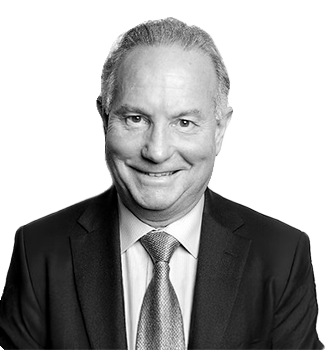
Dr Ross Walker
Cardiologist & Medical Advisor

George Papadopoulos
Health Economist & Market Access Strategist

Associate Professor Sophie
Clinical Pharmacologist & Academic

Dr Brad McEwen
Nutrition Scientist & Naturopath

Kathryn Williams
Senior Market Access Specialist

Professor Kamal Dua
Pharmaceutical Scientist & Immunologist